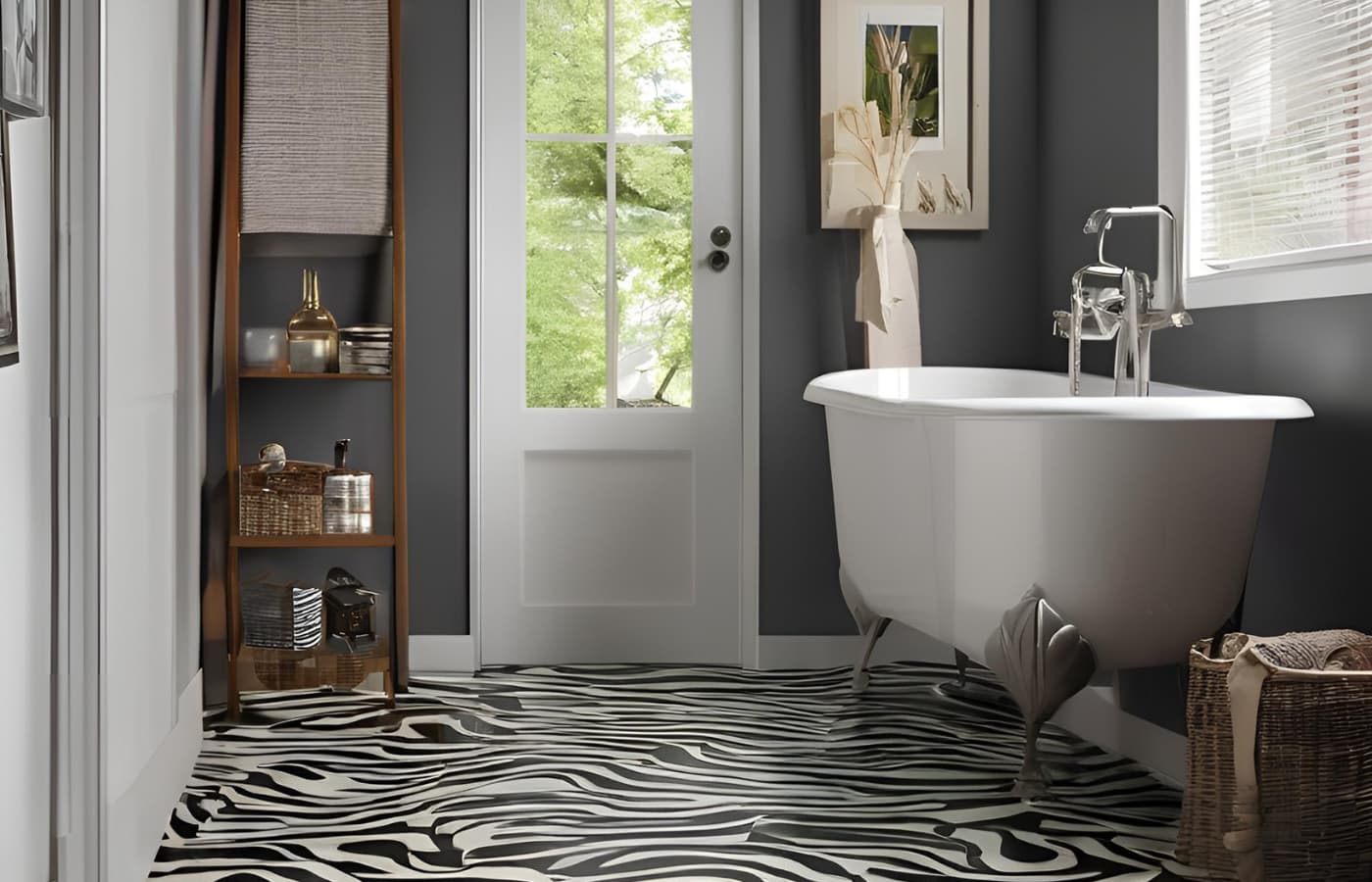
While vinyl flooring has surged in popularity among homeowners in Chicago and beyond due to its durability, affordability, and diverse range of styles that suit any room, it’s crucial to remember that maintaining its pristine condition requires proper care, especially when contending with Chicago’s unique climate. This is particularly true when considering the specific needs of different vinyl types, such as sheet vinyl, which is often favored for moisture-prone areas like bathrooms and kitchens due to its large, continuous sheets.
Similarly, vinyl tile provides a classic, easily replaceable option in various sizes and patterns that mimic ceramic or stone, while luxury vinyl plank (LVP) and tile (LVT) offer a high-end aesthetic with enhanced durability and realistic textures, making them popular choices in flooring Chicago for their ability to withstand the city’s fluctuating temperatures. This guide will equip you with the knowledge to keep your vinyl floors looking their best for years to come, regardless of the specific type you’ve chosen.
Chicago’s Climate and Your Vinyl Floors
Chicago experiences all four seasons, from hot and humid summers to freezing winters with significant temperature swings. These conditions can affect your vinyl flooring in several ways:
- Expansion and Contraction: Extreme temperature changes can cause vinyl to expand and contract, potentially leading to gaps or buckling.
- Moisture Damage: High humidity levels, especially during summer, can increase the risk of moisture seeping under the flooring and causing damage.
- Fading: Strong sunlight can fade the color of your vinyl flooring over time.
Preventive Measures: Protecting Your Investment
Taking proactive steps to protect your vinyl flooring is crucial for its longevity. Here are some key preventive measures:
1. Proper Installation is Key
Ensuring your vinyl flooring is installed correctly is the first step in preventing future problems. Hire a qualified flooring contractor in Chicago with experience in vinyl installation. Proper subfloor preparation and adherence to manufacturer guidelines are essential for long-lasting results.
2. Mind the Temperature
Maintain a consistent indoor temperature throughout the year to minimize expansion and contraction. Avoid placing heat sources, such as space heaters, directly on the vinyl flooring.
3. Control Humidity Levels
Use dehumidifiers during humid months to reduce moisture levels in your home. Ensure proper ventilation in bathrooms and kitchens to prevent moisture buildup.
4. Protect from Sunlight
Use curtains, blinds, or UV-protective window films to minimize direct sunlight exposure on your vinyl floors. This will help prevent fading and discoloration.
Regular Cleaning: Keeping Your Floors Sparkling
Regular cleaning is essential to maintain the beauty and hygiene of your vinyl flooring.
1. Sweep or Vacuum Regularly
Sweep or vacuum your floors daily to remove dirt, dust, and debris. Use a soft-bristled broom or a vacuum with a hard floor setting to avoid scratching the surface.
2. Mop with the Right Solution
Mop your vinyl floors weekly using a damp mop and a pH-neutral cleaning solution specifically designed for vinyl flooring. Avoid using harsh chemicals or abrasive cleaners that can damage the finish.
3. Tackle Spills Immediately
Wipe up spills promptly to prevent staining. For sticky spills, use a damp cloth and a mild cleaning solution. Avoid using excessive water, as it can seep into the seams and cause damage.
Dealing with Specific Issues
Despite your best efforts, you may encounter some common issues with your vinyl flooring. Here’s how to address them:
1. Scratches and Scuffs
Minor scratches and scuffs can often be buffed out with a soft cloth and a non-abrasive cleaner. For deeper scratches, you can use a vinyl floor repair kit or consult a professional flooring company Chicago.
2. Stains
For stubborn stains, try using a baking soda paste or a vinyl floor stain remover. Always test any cleaning solution in an inconspicuous area first.
3. Gaps and Buckling
If you notice gaps or buckling in your vinyl flooring, it’s essential to address the underlying cause. This could be due to improper installation, temperature fluctuations, or moisture damage. Contact a qualified flooring contractor Chicago to assess the situation and recommend the best course of action.
Protecting High-Traffic Areas
Areas with high foot traffic, such as entryways and hallways, are more prone to wear and tear. Implement these strategies to protect these areas:
1. Use Mats and Rugs
Place mats at entrances to trap dirt and debris. Use rugs in high-traffic areas to reduce wear and tear on the flooring.
2. Furniture Pads
Attach felt pads to the legs of furniture to prevent scratches and dents when moving furniture.
Long-Term Care: Extending the Life of Your Vinyl Flooring
With proper care and maintenance, your vinyl flooring can last for many years. Here are some additional tips for long-term care:
1. Periodic Deep Cleaning
Every few months, consider a deeper clean using a vinyl floor cleaner and a scrub brush. This will help remove any embedded dirt and grime.
2. Refinishing Options
While vinyl flooring doesn’t require refinishing like hardwood floors, you can apply a vinyl floor polish or sealant to enhance its shine and protect the surface.
3. Regular Inspections
Inspect your vinyl flooring regularly for any signs of damage, such as loose tiles, peeling seams, or discoloration. Addressing these issues promptly can prevent further damage and extend the life of your flooring.
Conclusion
Maintaining your vinyl flooring in Chicago’s climate requires a proactive approach and consistent care. By following these tips and addressing issues promptly, you can ensure your floors remain beautiful and functional for years to come. Remember, choosing the right type of vinyl flooring and ensuring proper installation by a reputable flooring company in Chicago are crucial first steps in this process.