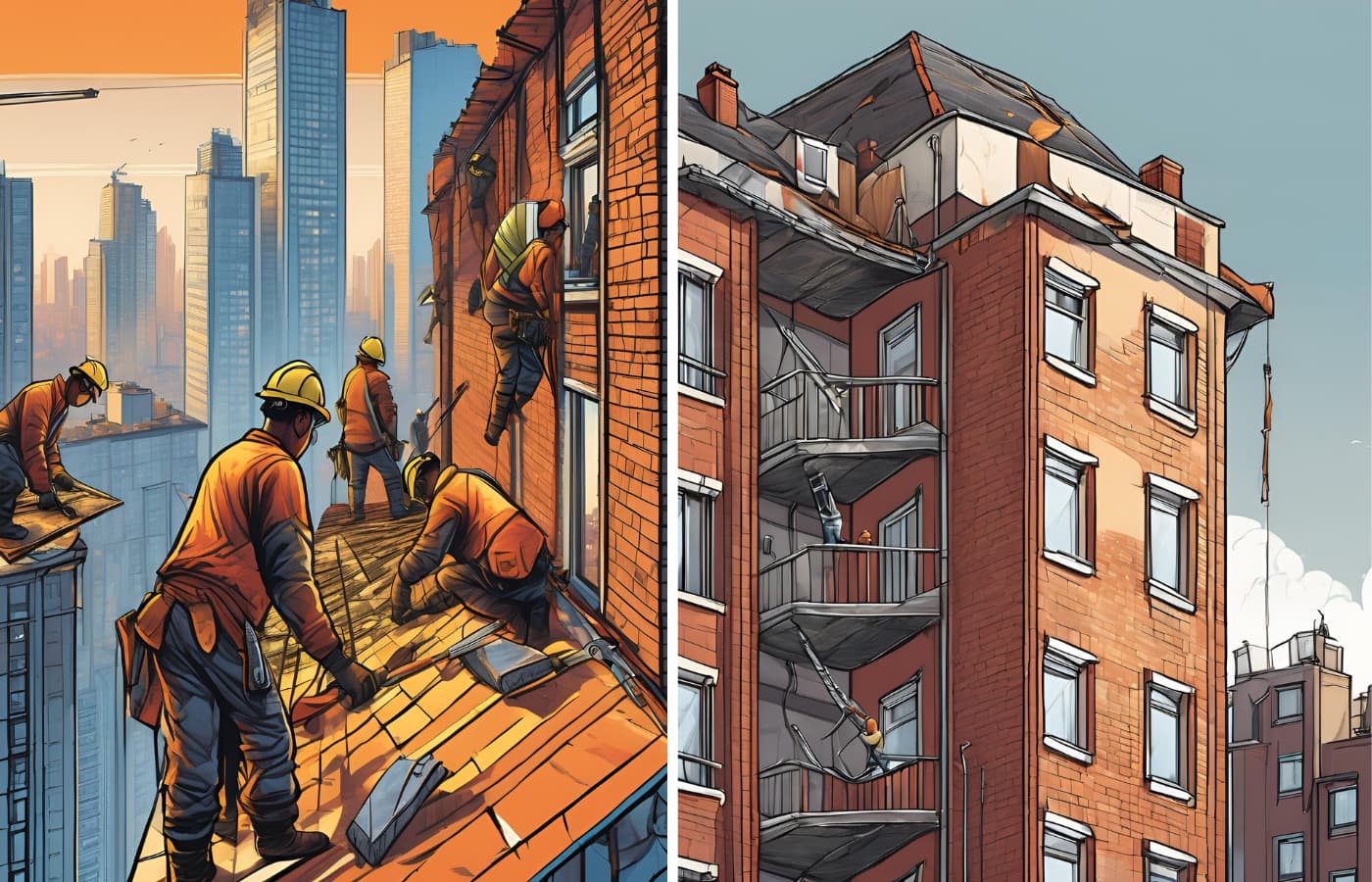
Your roof is your home’s first line of defense against the elements. It protects you and your family from rain, wind, snow, and sun. Over time, however, even the most well-maintained roofs can deteriorate and require replacement. Recognizing the signs that it’s time for an Irving roof replacement is crucial to avoid costly damage and ensure the safety and comfort of your home. Trusted professionals like Arlington TX roofers can help identify these signs and provide expert guidance on repairs or replacements. This article will guide you through the telltale signs of a failing roof and provide essential tips for choosing the right roofing contractor for the job.
Recognizing the Signs: When is it Time for a New Roof?
Identifying the signs of roof damage early can save you money and prevent further problems down the line. Here are some key indicators that your roof may be nearing the end of its lifespan:
Age of Your Roof
The age of your roof is a significant factor in determining its remaining lifespan. Most asphalt shingle roofs last between 15 and 20 years, while other materials like metal or tile can last much longer. If your roof is approaching or exceeding its expected lifespan, it’s wise to have it inspected by a professional.
Visible Damage
A visual inspection of your roof can reveal obvious signs of damage, such as:
- Missing or damaged shingles: Look for shingles that are cracked, curled, missing, or have granules falling off.
- Sagging or uneven roofline: This could indicate structural damage to the roof deck or supporting framework.
- Moss or algae growth: While not always a sign of serious damage, moss and algae can trap moisture and accelerate deterioration.
- Damaged flashing: Flashing is the metal material used to seal around chimneys, vents, and other roof penetrations. Damaged flashing can lead to leaks.
Interior Clues
Signs of roof problems often appear inside your home as well:
- Water stains or leaks: Check your ceilings and walls for water stains, discoloration, or signs of active leaks.
- Peeling paint or wallpaper: Moisture from a leaky roof can cause paint and wallpaper to peel.
- Increased energy bills: A damaged roof can lead to poor insulation and increased energy costs.
- Musty odors: A damp attic can develop a musty odor due to mold or mildew growth.
Attic Inspection: A Closer Look
Inspecting your attic can provide valuable insights into the condition of your roof. Look for:
- Water stains or leaks: Check the underside of the roof deck for water stains, dampness, or signs of active leaks.
- Damaged or rotting wood: Inspect the rafters, sheathing, and other wooden components for signs of rot, decay, or insect damage.
- Insufficient insulation: Ensure your attic has adequate insulation to prevent heat loss and moisture buildup.
- Daylight through the roof: If you can see daylight through the roof boards, it’s a clear sign of damage.
Choosing the Right Roofing Contractor
Selecting a qualified and reputable roofing contractor is crucial for a successful roof replacement. Here’s what to consider:
Licensing and Insurance
Ensure the contractor is licensed and insured. This protects you from liability in case of accidents or property damage.
Experience and Expertise
Look for a contractor with extensive experience in roof replacements, preferably with the specific type of roofing material you are considering.
Reputation and Reviews
Check online reviews and testimonials from previous customers. Ask for references and contact them to inquire about their experience with the contractor.
Written Estimates and Contracts
Obtain written estimates from multiple contractors and compare them carefully. Ensure the contract clearly outlines the scope of work, materials, timeline, and payment terms.
Warranties and Guarantees
Inquire about warranties on both the materials and the workmanship. A reputable contractor will stand behind their work with solid warranties.
Communication and Professionalism
Choose a contractor who communicates, answers your questions, and addresses your concerns promptly and professionally.
Questions to Ask Potential Roofing Contractors
Before hiring a roofing contractor, ask these important questions:
- How long have you been in business?
- Are you licensed and insured?
- Can you provide references from previous customers?
- What type of roofing materials do you specialize in?
- What is your warranty on materials and labor?
- What is the estimated timeline for completing the project?
- How will you protect my property during the roof replacement?
- What is the payment schedule?
Factors Affecting Roof Replacement Costs
The cost of roof replacement can vary depending on several factors:
- Size and complexity of your roof: Larger and more complex roofs will naturally cost more to replace.
- Type of roofing materials: Different roofing materials have different costs. Asphalt shingles are the most affordable option, while metal, tile, and slate are more expensive.
- Labor costs: Labor costs can vary depending on the contractor’s experience and the complexity of the job.
- Removal of old roofing: The cost of removing and disposing of your old roof will be factored into the overall cost.
- Additional repairs: If your roof deck or other structural components require repairs, it will add to the cost.
Financing Your Roof Replacement
Roof replacement can be a significant investment. Consider your financing options:
- Cash or savings: If you have the funds available, paying cash can save you money on interest charges.
- Home equity loan or line of credit: You can borrow against the equity in your home to finance your roof replacement.
- Personal loan: Personal loans can be a good option if you don’t have enough equity in your home.
- Credit cards: Credit cards can be a convenient option, but they typically have higher interest rates.
- Contractor financing: Some roofing contractors offer financing options to their customers.
Roofing Permits and Inspections
In most areas, you will need to obtain a permit before replacing your roof. Your contractor should handle the permit process. Inspections will also be required to ensure the work meets local building codes.
Preparing for Your Roof Replacement
Once you’ve chosen a contractor, here are some steps to prepare for your roof replacement:
- Clear the area: Remove any furniture, vehicles, or other items from around your house.
- Protect landscaping: Cover landscaping and plants with tarps to protect them from debris.
- Communicate with your contractor: Discuss the project timeline and any special instructions with your contractor.
- Prepare for noise and disruption: Roof replacement can be noisy. Inform your neighbors and make arrangements if you work from home.
Finding Quality Roofing Contractors in Arlington, TX
If you’re located in Arlington, TX, and need a reliable roofing contractor, consider reaching out to reputable Arlington TX roofers. Just as you would seek out a qualified dentist in Miami for specialized dental work, finding a local contractor with experience in the specific needs of your area can be beneficial. They will be familiar with local building codes and weather conditions, ensuring your new roof is properly installed and can withstand the elements.
Conclusion
Recognizing the signs that it’s time for an Irving roof replacement is crucial to protecting your home and your investment. By understanding the factors that contribute to roof damage and choosing a qualified roofing contractor, you can ensure a successful roof replacement project that provides lasting protection and peace of mind. Remember to obtain multiple estimates, ask the right questions, and carefully review the contract before signing. With proper planning and execution, your new roof will enhance your home’s curb appeal, energy efficiency, and overall value for years to come.